7 ways to lower cholesterol naturally
Health

7 ways to lower cholesterol naturally

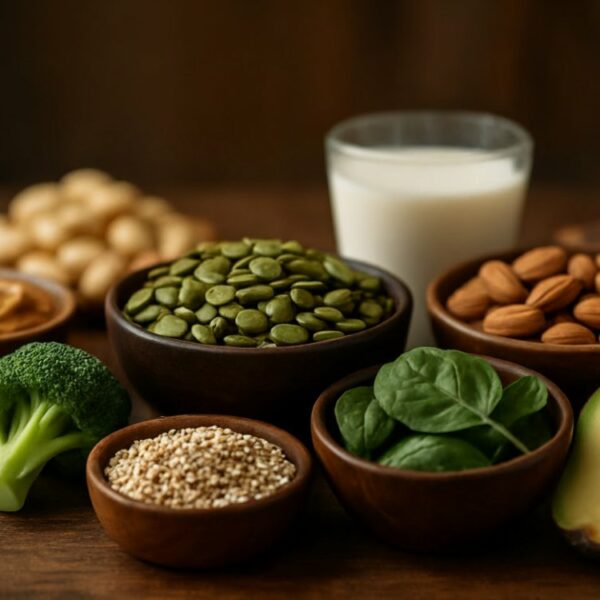
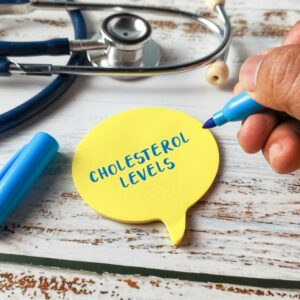
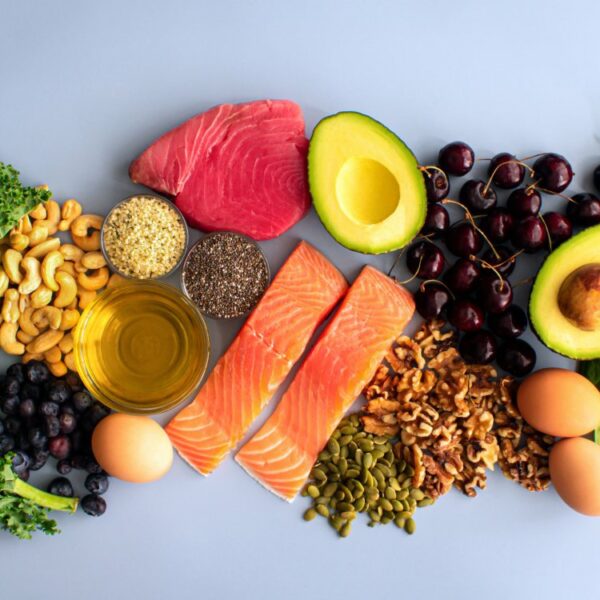
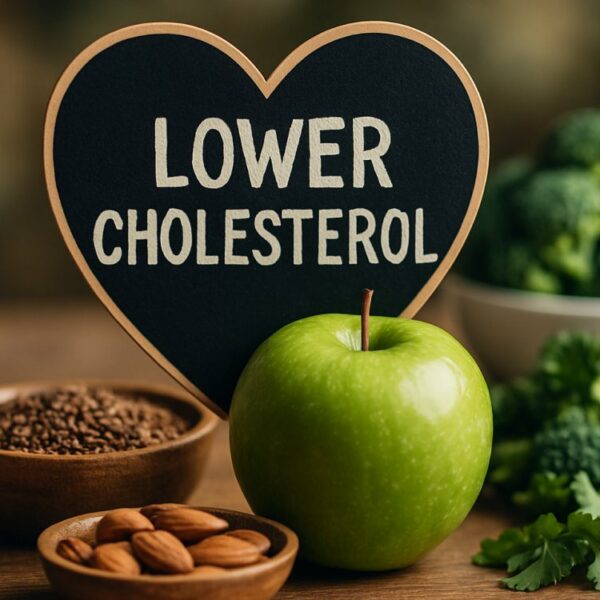
Cholesterol performs many important roles in the body. For instance, it helps cells maintain their structure, aids in producing hormones, balances vitamin D levels, and supports digestion. That said, too much cholesterol can increase the risk of various health conditions, including heart disease. Fortunately, one can lower cholesterol levels naturally to a certain extent by making healthier lifestyle choices, such as eating the right foods and exercising. Eat more plant-based foods Plant-based foods, such as vegetables, fruits, beans, lentils, and whole grains, are packed with nutrients that help lower cholesterol levels naturally. They are also good sources of essential vitamins, minerals, and antioxidants that help reduce inflammation caused by high cholesterol. There are many ways to incorporate plant-based foods into meals. For instance, one can prepare stir-fried vegetables and veggie-packed bowls or simply add beans and lentils to chili, tacos, and soups. Besides helping lower cholesterol, these plant-based foods add a dash of color to the plate, making meals feel more appetizing.  Choose healthy fats over saturated fats Saturated and trans fats increase cholesterol in the body. On the other hand, unsaturated fats support better cholesterol balance. One way to include more unsaturated fats in meals is to cook with olive, avocado, sunflower seed, or canola oil instead of butter or shortening.
Read More

Role of hydration, sleep, and movement in immunity regulation
Health

Role of hydration, sleep, and movement in immunity regulation

Three key elements that contribute to immune health are sleep, hydration, and physical activity. Hydration is essential for survival, migration, and responses of immune cells to harmful microbes, while quality sleep supports the creation and regulation of immune cells that fight infection and inflammation. On the other hand, physical activity enhances immune function and reduces the risk of chronic inflammation. Together, these three elements, along with some immunity and wellness basics, can enhance a person’s disease-fighting mechanisms. Role of hydration in strengthening the immune system White blood cells, like other cells in the body, require enough hydration to function normally. A consistent supply of water enables these cells to survive and perform their respective functions. Hydration and the lymphatic system are closely linked. Lymphatic fluid can move only through water, and this fluid actively looks for pathogens and other harmful microbes before eliminating them. Drinking enough water keeps this fluid in motion. Water also helps facilitate the transport of white blood cells to various parts of the body, enabling them to fight against bacteria and viruses. Several studies have shown that even mild dehydration (losing 1-2% of body water) can impair immune response and cognitive function. Additionally, there’s a direct correlation between inadequate water intake and reduced immune cell counts and gut health issues, which are linked to impaired T-cell function in the gut.
Read More
Common magnesium-rich foods to improve sleep quality
Health

Common magnesium-rich foods to improve sleep quality

The human body requires certain minerals to support bodily functions. One such mineral is magnesium. It supports sleep by soothing the nervous system, relaxing muscles, and regulating hormones during rest. It also facilitates the release of GABA, a neurotransmitter that promotes calmness and eases tension. However, many people struggle with magnesium deficiency, leading to poor sleep quality and increased stress levels. In such cases, including magnesium-rich foods can enhance sleep quality, lower stress, and improve muscle movement. Pumpkin seeds These seeds, also known as pepitas, are a solid natural source of magnesium. A single cup of dried pumpkin seeds contains as much as 792 mg of magnesium, as per the USDA statistics. Even consuming a quarter cup of these seeds can help in meeting one’s daily magnesium needs. These seeds can be consumed in different ways. One can eat the seeds raw or roast them to enhance flavor. Alternatively, they can be eaten as a standalone snack or used as a garnish on a regular meal to add crunch and flavor. Many people often use these seeds as a topping to add extra flavor, texture, and nutrition to dishes such as yogurt, porridge, and salads. Nuts Nuts and seeds are among the richest sources of naturally occurring magnesium, even when they are consumed in small servings.
Read More

Latest Articles

Common effects of stress on the body
Health

Common effects of stress on the body

Stress is a silent, often hidden force that quietly wears the body down. While many people focus on healthy eating and daily exercise, managing stress is often ignored. Stress affects various aspects of the body, such as sleep, immune function, focus, mood, and digestion. Fortunately, it can be managed by incorporating certain practices in daily life. Knowing about the stress-related problems and addressing them can make it easier to manage their effects. Headache Some research studies have found that stress-induced headaches can result from muscle contractions. Muscle tightening can cause throbbing pain in the temples and other areas of the head. Moreover, vascular changes to the brain can lead to splitting headaches in individuals living with a high degree of stress. In many instances, stress is also known to cause migraines. And those prone to migraine episodes experience the condition’s worst symptoms when their stress levels increase. To manage stress and keep it within specific levels to avoid headaches, one can practise relaxation techniques such as meditation, rhythmic breathing, calming techniques, and deep breathing. Also, regular exercise helps produce stress-relieving hormones in the body. Stomach ache Stress can disrupt the digestive system, too. When one is under tension, the body responds in certain ways that can often affect the digestion process and the vital organs involved in metabolism.
Menopause – Symptoms, stages, and natural remedies
Health

Menopause – Symptoms, stages, and natural remedies

Menopause marks the end of menstruation. It’s a point at which the ovaries stop making enough reproductive hormones, such as estrogen and progesterone, and run out of eggs. Menopause is ideally defined as a year without a menstrual period. On average, it’s experienced by age 52. However, that’s not always the case; it’s possible to reach this phase earlier or later. Knowing about menopause and its management can help one navigate this stage of their life peacefully. Menopause signs and symptoms Irregular periods Menopause often leads to fluctuations in hormone levels. This fluctuation causes menstrual cycles to become shorter, longer, heavier, or lighter. Many times, one also experiences skipped cycles. All of these are signs that the ovaries are slowly losing function. Hot flashes When fluctuating estrogen levels affect the hypothalamus, i.e., the brain’s thermostat, it leads to hot flashes. These are nothing but a sudden feeling of warmth throughout the body. Hot flashes can also cause sweating, flushing, and chills. Night sweats Hormone fluctuations are more extreme when sleeping. They increase the frequency of hot flashes, causing sudden warmth, flushing, and drenching sweats in the middle of the night. That’s why soaked bedsheets and clothes are common sights if one is on the cusp of menopause.
7 foods to improve joint strength in seniors
Health

7 foods to improve joint strength in seniors

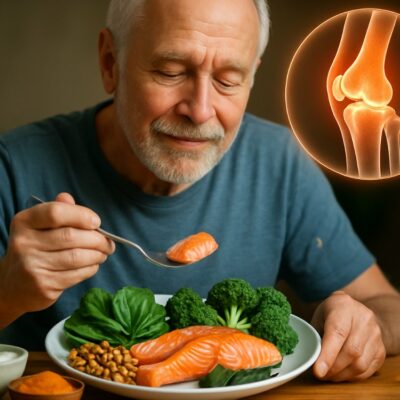
The joints weaken with age because of wear and tear of the cartilage and loss of muscle mass. That’s why seniors are often advised to exercise their joints regularly. Doing that strengthens the joints and the ligaments surrounding them, helping relieve pain and improving flexibility. However, exercise alone is not sufficient for joint strength and health. Seniors must also make a few nutritional changes, such as eating foods with joint-supportive nutrients. Sweet peppers Whether red, yellow, green, or orange, all sweet peppers are loaded with vitamin C. This vitamin boosts collagen production, which is necessary for strong, healthy bones. Collagen helps rebuild cartilage, increase bone density, and reduce stiffness. Besides supplying vitamin C, sweet peppers are known to balance gut microbiomes, thus reducing inflammation markers. This helps seniors who have rheumatoid arthritis, a common condition that causes joint inflammation. There are many ways to enjoy sweet peppers. One option is to make a mixture of beans, brown rice, vegetables, and seasoning, then stuff this mixture into sweet peppers and bake them. If this seems too complicated, seniors can simply roast or sauté the peppers with garlic and enjoy them. Broccoli Cruciferous vegetables, such as broccoli, are excellent foods for supporting joint health in seniors.
5 simple lifestyle habits for better health
Health

5 simple lifestyle habits for better health

Individuals who want to improve their health do not need to follow complex or costly routines. Simple habits, such as eating nutritious foods, drinking enough water, exercising, and sleeping well, are enough to achieve this goal. These small lifestyle changes can lead to better health in the long run without requiring a big investment of time and money. That said, individuals must be consistent to see lasting results. Starting the day with water The body is slightly dehydrated after going all night without fluid intake. That’s why starting the day with a glass of water is a good habit. Rehydrating first thing in the morning boosts metabolism, helps the body regulate temperature, and gets basic functions “switched on” for the day. However, just drinking a glass of water in the morning is not enough. Individuals should carry a bottle of water with them wherever they go to stay hydrated throughout the day. Doing so can help prevent dehydration symptoms, such as headaches, fatigue, and mental fog. Stretching after waking up Stretching is another sustainable, healthy habit to start the day with. Morning stretches ease stiffness, increase range of motion, and help drive away sleepiness. Instead of complex stretches, individuals can perform simple ones that clear the mind and prepare the body for the day ahead.

Must Read

Balding – Warning signs, causes, and management options
Health

Balding – Warning signs, causes, and management options

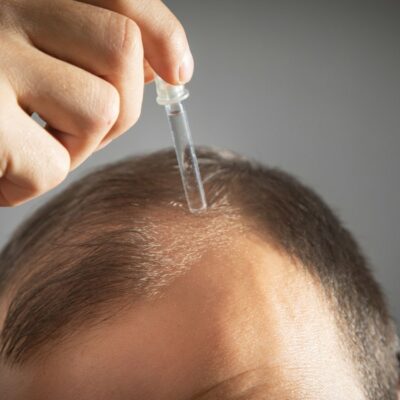
Losing around 50 to 100 strands of hair daily is quite normal. However, large clumps of hair on the pillow, in the shower drain, or on the brush can be a cause for concern and lead to balding in men and women. Fortunately, knowing the warning signs, causes, and management methods can help one slow hair loss and restore their confidence. Signs of balding  There are many early signs that can be observed before bald spots become visible. Knowing about these common indicators can be helpful. Receding hairline in men The hair along the temples appears to pull back, forming an M-shape. This usually starts in the 20s or 30s as hair along the front begins to thin gradually. Crown thinning The scalp becomes more visible at the top of the head. This happens when the hair density in this area drops. Many may see visible patches when brushing their hair or in bright light. Widening of the part in women  The central line along which hair is usually parted widens over time. Along with this, the hair starts to lose its overall thickness, appearing finer over time. Diffuse thinning Hair volume starts to decrease throughout the scalp. So, when running fingers through it or styling it in ponytails, one may notice that their hair feels less full.
Hemorrhoids – Symptoms, causes, and management
Health

Hemorrhoids – Symptoms, causes, and management

Hemorrhoids are swollen and enlarged veins that develop inside and outside of the rectum, which may cause a lot of discomfort and pain during stool passage. This condition results from several factors, including straining during bowel movements, inadequate fiber intake, chronic constipation, and prolonged sitting on the toilet. The good news is that the symptoms of hemorrhoids can improve over time by simply making small habit changes in daily life.​ Signs and symptoms Internal hemorrhoids typically do not cause any pain or obvious symptoms until they move outside the rectum. Since these develop inside the rectum, there is no way of knowing whether a person has the condition. Meanwhile, external hemorrhoids have several telltale signs that occur over time. A person can see small amounts of bright red blood during bowel movements. This is because swollen veins bleed easily, even with minimal friction. There is noticeable swelling around the outer area of the rectum, followed by a persistent uneasy feeling. A tender lump develops around the anus, causing pain and making it difficult to sit for extended periods. Stool or mucus leakage can worsen the discomfort. Sometimes, a person with the condition may experience a persistent feeling of incomplete bowel movement, resulting in frequent trips to the bathroom.
Causes and management options of hand tremors
Health

Causes and management options of hand tremors

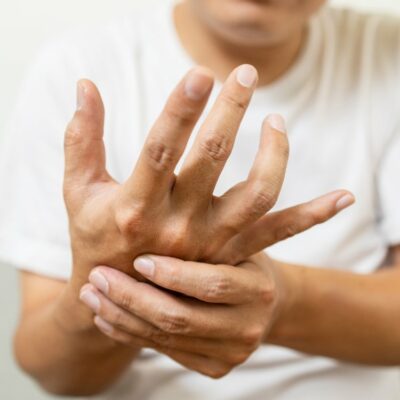
Hand tremors or shaky hands are a symptom of a neurological disorder called essential tremor (ET), characterized by involuntary, rhythmic shaking, most commonly affecting the hands. These tremors gradually worsen, making daily tasks challenging. The onset of essential tremor can happen at any age, but it’s most commonly seen in individuals aged 40 and older. The best approach to managing the condition is to determine a suitable management plan through expert consultation. Causes Hand tremors are a symptom caused by various health conditions, including essential tremor. Other possible reasons for hand tremors include emotional stress, exposure to extreme temperatures, fatigue, and an excessive intake of stimulants like caffeinated drinks. Enhanced physiologic tremor This is one of the most commonly observed postural tremors (i.e., tremors that occur when a position is maintained against gravity). Enhanced physiologic tremor (EPT) usually affects the hands and fingers on both sides of the body. A few factors, such as chronic stress, lack of sleep, excessive caffeine intake, and vigorous exercise, can worsen EPT in some individuals. Anxiety and fatigue may also lead to shaky hands. Neurological conditions Sometimes, tremors, including shaky hands, are caused when deep parts of the brain that control movement don’t work as they should.
4 daily habits that improve physical health
Health

4 daily habits that improve physical health

Good physical health comes from small, steady habits rather than dramatic transformations or intense effort. Certain healthy habits, such as drinking enough water daily, getting enough sleep, and eating balanced foods, can do more for one’s body than intense physical workouts for a few weeks, only to give up the habit ultimately. Here, consistency is the most vital element for those who want to improve their overall physical and mental health. Engaging in regular movement Physical activity does not have to be strenuous to be effective. Atleast 30 minutes of physical activity can keep the body fit and functional. The key here is to establish a consistent routine and complete daily exercises or other physical activity according to the schedule. One can follow certain helpful tips to keep movement consistent and enjoyable. Engage in regular physical activities like walking with friends, swimming for 30 minutes every day, cycling in a safe space for a dedicated period each day, or dancing or other forms of aerobic exercise. Doing these activities at a moderate intensity for at least 30 minutes, three to five days per week, is more than enough to improve the health of one’s joints, bones, muscles, and digestion. One can also incorporate strength-training exercises to build and maintain muscle mass.
7 tips to effectively manage high cholesterol
Health

7 tips to effectively manage high cholesterol

High cholesterol is a major concern, as it raises the risk of various cardiovascular diseases. This condition often stems from unhealthy lifestyles, poor meal choices, and genetics. Regardless of the cause, keeping cholesterol levels in check is essential to prevent severe complications and improve heart function. One can do this by making small, consistent heart-healthy adjustments to their routines and by seeking expert advice. Proactive management and regular monitoring can ensure long-term cardiovascular wellness. Manage stress Research shows that continuous stress can increase cholesterol levels and related cardiovascular problems. To avoid this, individuals can adopt healthy coping mechanisms such as regular exercise, mindful relaxation, and healthy eating. Pick lean meat and seafood Before heading out to the grocery store, one must review their shopping list. They should take time to reconsider their choices and pick healthy options. A great way to maintain cholesterol levels and improve cardiovascular health is to go easy on red meat and eat more lean meat.. This is because red meat has saturated fats, which can increase overall cholesterol levels.  Skinless turkey or skinless chicken are good sources of lean animal protein. Similarly, fish is low in saturated fat and rich in omega-3 fatty acids, which can boost good cholesterol levels and improve heart health.
5 common nutrition myths
Health

5 common nutrition myths

Fitness and nutrition are common topics of discussion on social media. Many indulge in them and share their thoughts on these topics (sometimes even debate) about what to eat and what to avoid for good health. However, the information floating around online often comprises half-truths, myths, and assumptions that misguide users. To make healthy choices, individuals should distinguish between food myths and facts and rely only on science-backed information. If still confused, they can speak to a licensed nutritionist. All processed foods are bad The word “processed” has got a lot of bad rep over the years, but not all of it is justified. When it comes to food products, “processed” simply means that the food has been worked upon and changed from its natural form. So, even if a food item has undergone something as simple as chopping, cooking, heating, or freezing, it can be labeled as processed. That is why saying “all processed foods are bad” is wrong. Not all forms of processing make foods less healthy or harmful. For example, vegetables flash-frozen shortly after harvesting retain most of their vitamin C and remain healthy. On the other hand, adding excessive amounts of salt, fat, or sugar to a food to increase its shelf life or make it taste better can be unhealthy.
6 ophthalmic conditions that affect vision
Health

6 ophthalmic conditions that affect vision

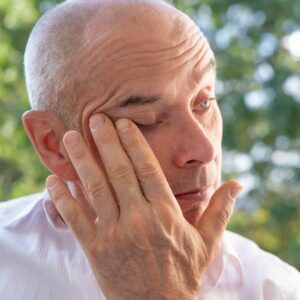
Ophthalmic conditions are diseases of the eye. They can affect various parts of the eye and even impair structures immediately surrounding it. Eye health problems can develop quickly or gradually. Some last a few days to months, while others are more permanent. According to the World Health Organization, over 2.2 billion people have some form of vision impairment due to ophthalmic conditions. Knowing about these and their symptoms can help with diagnosis and management. Refractive errors Refractive errors are among the most diagnosed ophthalmic conditions and include many subtypes, including myopia (nearsightedness) and hyperopia (farsightedness). Astigmatism is another problem to be aware of that can cause distorted vision. Another condition to know about is presbyopia. The symptoms of this eye disease can include the loss of the ability to focus up close, the inability to read words in a book, and the need to hold a newspaper farther away to see clearly. It can occur between the ages of 40 and 50. Refractive errors are correctable with eyeglasses, contact lenses, or, in some cases, surgery. Age-related macular degeneration Age-related macular degeneration (AMD) is a common eye disorder that damages the macula. This can cause the loss of central vision needed for reading and driving.
5 home remedies for vertigo symptoms
Health

5 home remedies for vertigo symptoms

Problems in the inner ear or the nervous system are usually the cause of vertigo. It causes a spinning or whirling sensation and affects one’s ability to walk, stand, or focus on daily tasks. Other common symptoms of this condition include hearing loss in one or both ears, headaches, nausea, and a feeling of fullness in the ears. Fortunately, there are many easy remedies to naturally relieve vertigo at home. These remedies include specific exercises, lifestyle changes, and eating nutrient-heavy foods. Try the Epley maneuver The movement of calcium crystals within the inner ear causes BPPV (Benign Paroxysmal Positional Vertigo), a common type of vertigo. The Epley maneuver helps realign crystals in the inner ear, reducing vertigo symptoms. This simple exercise can be easily done at home within a few minutes. It is among the many vertigo exercises and cures that provide lasting relief for BPPV. Steps for the exercise Sit on a bed and tilt the head at 45 degrees toward the side where the vertigo is experienced. Lie back quickly with the head still turned. The shoulders should be on the bed, and the head hangs slightly over the edge. It’s vital to stay in this position for 30 seconds.

Featured Articles

COPD – Symptoms, causes, and home remedies
Health

COPD – Symptoms, causes, and home remedies

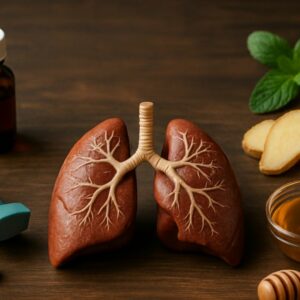
Chronic Obstructive Pulmonary Disease (COPD) is a condition caused by damage to the lungs and the airways that results in inflammation in the region. Early signs of COPD include difficulty breathing, coughing, and excessive mucus production in the lungs. As the condition progresses, routine tasks, such as walking and cooking, become increasingly difficult. Understanding the causes and symptoms of COPD and how to manage it can help individuals take proactive steps to support their overall well-being. Warning signs and symptoms Shortness of breath COPD inflames multiple regions of the lungs and the airway linings. This causes mucus to build up and obstruct the airways, affecting inhalation and exhalation. As a result, those with this condition experience shortness of breath, particularly during physical activity. An ongoing cough A cough that produces copious mucus is often the first symptom of COPD. It is frequently followed by wheezing or whistling on inspiration after coughing. Chest tightness Excess mucus in the lungs can cause a sensation of heaviness or pressure in the chest. This is accompanied by pain while attempting to take full, deep breaths. Fatigue Damaged, inflamed airways and lungs make breathing difficult, as more energy is required to perform this function. The chronic strain leaves the body struggling to get enough oxygen in and remove waste carbon dioxide.
Signs to recognize the new flu and ways to manage it
Health

Signs to recognize the new flu and ways to manage it

The country has experienced more frequent and severe outbreaks of a dominant influenza A variant, often referred to as the “super flu” or subclade K. This variant is associated with longer recovery times. The moniker reflects the spread of the virus and the severity of its symptoms. Generally, influenza A seasons tend to be more severe than influenza B seasons because of the virus’s high adaptability and ease of transmission.  Super flu symptoms The super flu has been identified as a new variant of influenza A. The condition can last from a few days to a couple of weeks. Its symptoms are more severe than the regular flu. The CDC also notes that, despite the moniker, it is unclear whether the new super flu is causing more severe infections or just more cases overall.  The common flu symptoms include a runny or stuffy nose, cough, fever, headaches, muscle aches, sweating and chills, and sometimes fatigue. Symptoms associated with the super flu or the subclade K include severe muscle and body ache, cough and sore throat, head pressure or headache, chills and fever, often above 100.4°F, and lingering fatigue that lasts even after other symptoms have resolved. A common cold develops gradually after initial contact with the virus.
Types of physical therapy for Parkinson’s disease
Health

Types of physical therapy for Parkinson’s disease

Parkinson’s disease is a neurodegenerative disorder that affects the parts of the brain that control motor function. Tremors, stiffness, and loss of balance are some of its common symptoms. Healthcare professionals often recommend physical therapy to manage the condition and slow its progression. They create personalized sessions based on one’s needs. Resistance training with light weights, balance routines, such as tai chi, and exercises like brisk walking are common inclusions in these sessions. Physical therapy options For Parkinson’s disease, there are three core approaches to physical therapy. These are aerobic exercise to build endurance, resistance training to increase strength, and balance/gait training to improve coordination. Most professional therapists tailor physical therapy for Parkinson’s disease to each person’s fitness level. The sessions are often short and progress slowly for sustainable gains. Aerobic exercise Moderate-to-high-intensity aerobic activities, such as stationary cycling and brisk treadmill walking, improves cardiovascular endurance. Over time, one’s energy levels increase, making routine activities easy. Completing longer walks around the block without getting tired also becomes possible. Furthermore, the severity of motor control symptoms reduces. For aerobic exercise, 30-minute sessions three times per week are enough for noticeable improvements in stamina. Some common aerobic exercises that can be done under professional supervision include:
7 skin conditions and ways to manage them
Health

7 skin conditions and ways to manage them

The skin is the body’s largest organ and acts as a protective barrier against various threats. It also regulates body temperature and detects touch. However, the skin is highly susceptible to a wide variety of conditions. These conditions vary in terms of causes, symptoms, appearance, and severity, ranging from minor irritation to chronic illnesses. Understanding these conditions helps one take the necessary steps to manage them and ensure their overall well-being. Acne Acne is one of the most common skin conditions, characterized by clogged pores. These blocked pores can cause bumps and pimples, which can sometimes be painful. The pores can clog due to sebum, an oily component that provides a protective barrier for the skin. Even bacteria and dead skin cells may cause acne. Treatment for acne can vary depending on age, type, and severity. Experts may recommend topical remedies or other treatments to care for the skin. Alopecia areata This is an autoimmune condition that causes patchy hair loss anywhere on the body. Most commonly, it affects the hair on the skin that covers the head (scalp). Alopecia areata causes the immune system to attack hair follicles, mistaking them for germs like viruses or bacteria. This leads to hair loss.

Top Articles

6 common hydration myths
Health

6 common hydration myths

Ever been told to drink eight glasses of water a day? It is a common piece of advice given to maintain good health. However, this advice does not account for the fact that everyone has unique hydration needs. The amount of water one should drink depends on their lifestyle, activity levels, and the climate where they live. With so much being said about fluid intake and hydration, distinguishing facts from myths is important. Coffee is dehydrating A common misconception is that caffeine is a diuretic, a substance that makes the body produce more urine. It implies that drinking caffeinated beverages, such as tea, coffee, energy drinks, and sodas, causes one to urinate more often. As a result, these beverages not only fail to provide hydration but can also cause dehydration. While it is true that coffee is a diuretic, its dehydrating effects are quite mild and appear only when consumed in large amounts. Moreover, coffee acts as a diuretic if one does not drink it often. If consumed regularly and in moderation, coffee is almost as hydrating as water. Sports drinks are a good choice after exercise  TV commercials and social media ads often portray sports drinks as a great way to hydrate after every activity.
Dialeptic seizures – Signs and causes
Health

Dialeptic seizures – Signs and causes

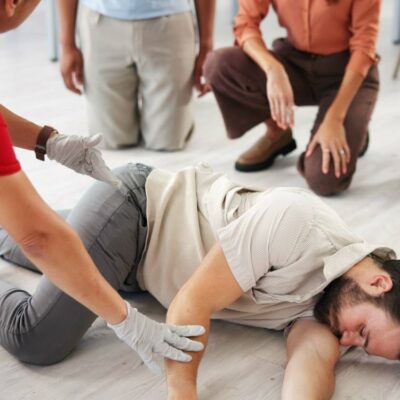
A dialeptic seizure is a type of seizure in which an individual loses awareness, stops responding, and simply stares into space. It lasts for a few seconds and usually does not involve physical shaking as seen in other seizures. Since the major symptom is a loss of consciousness, many who experience a dialeptic seizure do not remember the event after it ends. Knowing about this health issue’s signs and causes can help individuals better manage it. Dialeptic seizure symptoms To understand what a dialeptic seizure is and detect it quickly, individuals must look at the signs. Subtle shifts in an individual’s presence or their interaction with the surroundings usually signal the start of the episode. Staring spells The individual having the seizure appears to be staring at something at a distance while being completely motionless. They may not react or speak even when someone calls their name or touches their arm. This symptom is sometimes easily mistaken for daydreaming or inattention, especially in quiet environments. Loss of awareness An individual affected by this type of seizure may not be aware of their surroundings. They may feel as if they are in a dream, checked out of reality. Since the brain does not process external information during the episode, they cannot talk or interact with others.
Top 5 home remedies for hair loss
Health

Top 5 home remedies for hair loss

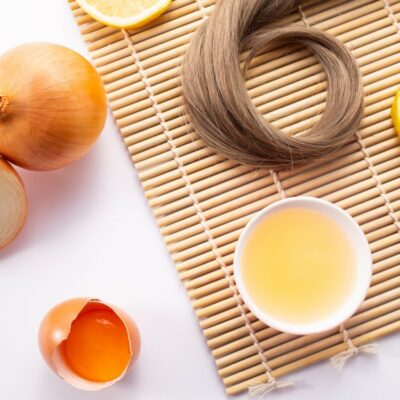
Losing hair can be a disheartening experience and often takes a toll on self-confidence. Watching strands thin out or fall more than usual can feel stressful, especially when the cause is unclear. Thankfully, several home remedies for hair loss have been shown to yield positive results when used consistently. These simple, natural methods focus on nourishing the scalp, strengthening the hair, and supporting healthy growth without relying on harsh chemicals or expensive procedures. Increase protein consumption Hair is mainly made up of a protein called keratin. So, to grow new hair, the body needs more protein. When it does not get enough of it, the growth can slow down. Over time, protein deficiency can also lead to hair loss. To avoid that and support healthier hair growth, including enough protein in daily meals is important. Certain foods, such as eggs, fish, lean meat, beans, and nuts, are among the healthiest sources of protein. One of the simplest natural hair regrowth tips is to include either of these foods in regular meals and maintain a consistent protein intake. Massage the scalp using coconut oil Another everyday habit that can make a noticeable difference in reducing hair loss is scalp massage. Gently massaging the scalp with hair oils helps stimulate the scalp and improve blood circulation to the hair follicles.
8 symptoms pointing to multiple myeloma
Health

8 symptoms pointing to multiple myeloma

Multiple myeloma is a rare form of blood cancer that often develops silently. This means it progresses slowly over the years and shows no noticeable symptoms in its initial stages. Early detection of multiple myeloma is tricky, as its warning signs are often mistaken for common ailments like back pain or the flu. Also, when these symptoms appear, their intensity can vary. So, it is important to understand these common symptoms to seek timely intervention. Weakness and fatigue One of the most common symptoms of multiple myeloma is unexplained weakness and fatigue. It occurs due to anemia, a condition in which the body lacks enough healthy red blood cells. This means the level of hemoglobin reduces. And since hemoglobin is responsible for carrying oxygen from the lungs to the rest of the body, their low levels can leave the body short on oxygen. As a result, one may feel constantly tired, weak, or dizzy. Furthermore, anemia can cause shortness of breath. Pain and weakness in the bones Multiple myeloma can also cause a lot of pain and weakness in the bones. While this pain can occur in any bone, in most cases it is felt in the back, hips, or skull.
Eye disease – Types, symptoms, and management
Health

Eye disease – Types, symptoms, and management

Common eye diseases can affect individuals of all ages. In many cases, affected individuals may not even know that they have vision-related disorders. This is mostly because certain conditions, such as glaucoma, macular degeneration (AMD), cataracts, and diabetic retinopathy, often advance without too many obvious symptoms, especially during the initial stages. Understanding the types, symptoms, preventive measures, lifestyle choices, and management options for eye disorders can help detect common eye diseases and support good eye health.  Types of eye diseases There are many types of eye diseases. They can be classified into various types based on specific criteria. Based on eye structure Classification is done based on which specific part of the eye is affected.  Cornea The disorder in this part is diagnosed as keratitis, i.e., inflammation caused by infection or misuse of contact lenses. Lens The disorder in this part is called cataract, characterized by the clouding of the lens that blurs vision. Retina The disorder in this area is typically macular degeneration, which damages central vision. Optic nerve The disorder around the optic nerve is called glaucoma, a pressure-related condition that causes nerve damage and vision loss. Conjunctiva The disorder in this area is often diagnosed as conjunctivitis, an inflammation of the eye’s outer lining.
Remedies for routine-related back pain
Health

Remedies for routine-related back pain

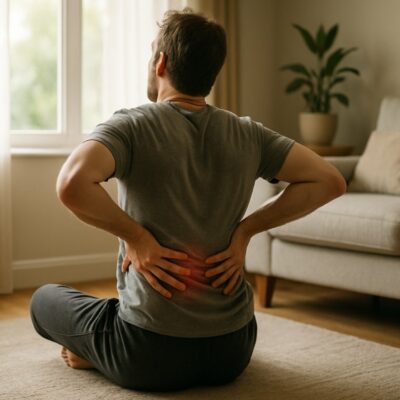
Joints, bones, and muscles in the body tend to wear out due to one’s daily routine and habits. Back pain is one of the common results of this wear and tear. Whether one’s routine involves engaging in strenuous physical activity or spending long hours sitting at a desk for work, they may experience back pain over a period of time. Fortunately, there are simple remedies that help manage routine-induced back pain. Daily habits that cause back pain Lifting heavy objects Lifting heavy items with improper form strains muscles and ligaments. This increases the risk of back injury and other spinal disc issues. To avoid back pain, one should engage the core, keep the back straight, and use the leg muscles to lift a heavy object rather than bending at the waist. Working a desk job Sitting for prolonged periods, especially if one already has posture-related issues, simply increases the pressure on the spinal discs and can further strain the back. Gardening Common gardening activities, such as digging and seeding, can strain the back muscles and joints, causing back pain. Taking necessary breaks and stretching before gardening helps reduce strain and soreness. Cleaning Stooping, bending, and scrubbing during cleaning can significantly strain the back and cause long-term back pain.